Tracing Regulatory Shifts and Their Influence on Payment Security for Live Games in Sweden
Casey Jung · Aug 18, 2026
Tracing Regulatory Shifts and Their Influence on Payment Security for Live Games in Sweden
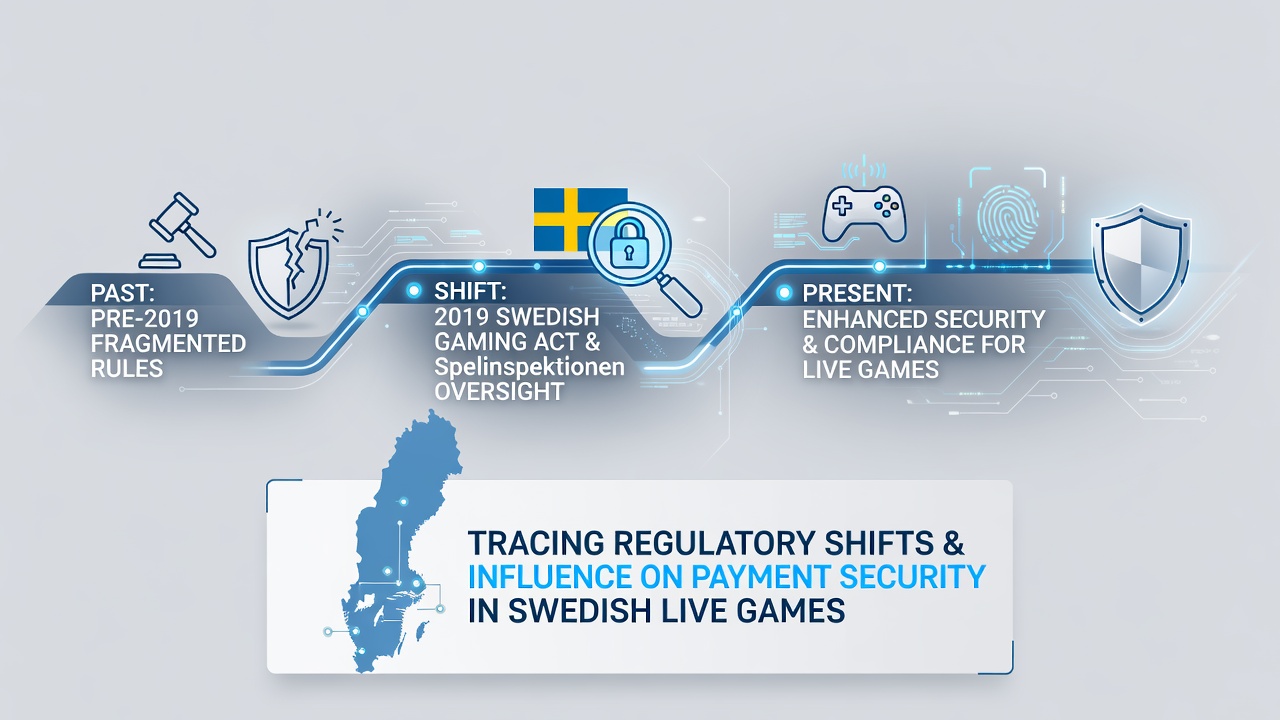
Sweden introduced its current licensing system for online gambling through the Gambling Act of 2019, which brought previously unregulated operators under state oversight while establishing baseline requirements for financial transaction handling in live dealer environments, and these rules have continued to evolve through amendments that address emerging security challenges in real-time gaming formats.
Initial Framework and Early Adjustments
The Swedish Gambling Authority, known as Spelinspektionen, began enforcing stricter player verification processes immediately after the 2019 launch, which required operators offering live games to integrate secure payment channels that separate deposits from gameplay data streams, and this separation reduced opportunities for unauthorized access during high-volume live sessions where transactions occur in seconds rather than minutes.
Observers note that early compliance focused primarily on anti-money laundering checks tied directly to payment processors, yet subsequent updates expanded these measures to include mandatory encryption standards for all financial data exchanged between players and live game platforms.
Payment Security Evolution Through EU Alignment
Sweden's integration with the European Union's revised Payment Services Directive created additional layers of protection that directly affect live game transactions, and operators must now route payments through certified providers that meet strong customer authentication criteria, which adds verification steps without disrupting the flow of live betting on table games.
Data from regulatory filings shows increased adoption of tokenization techniques for card details in the Swedish market after 2021, and these methods replace sensitive numbers with unique identifiers that limit exposure during live sessions where multiple quick deposits may take place.
Targeted Changes for Live Game Environments
Live games present unique timing pressures because players often make instant funding decisions while watching real dealers, and regulators responded by mandating that platforms maintain separate audit logs for payment events synchronized with game rounds, which allows authorities to trace suspicious activity more efficiently across both financial and gaming records.
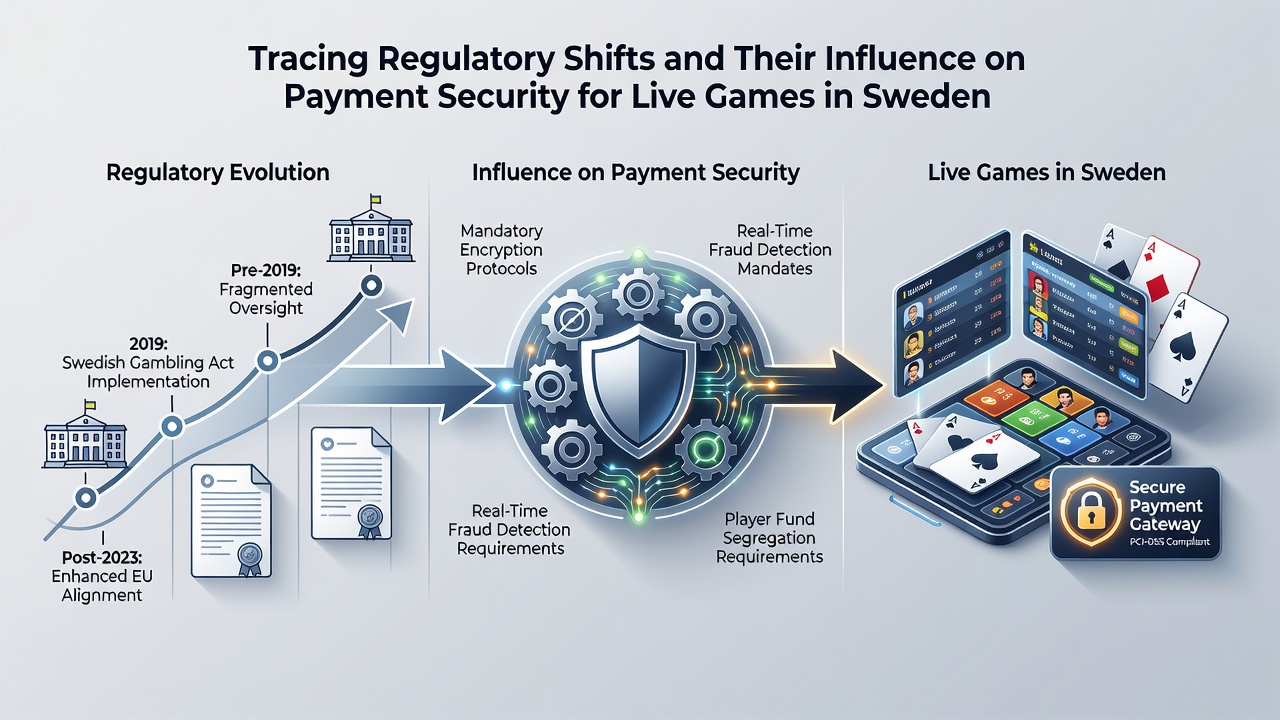
Research indicates that these synchronized logging requirements, introduced in phases between 2022 and 2024, have led Swedish operators to upgrade their backend systems to handle encrypted real-time data feeds, and similar approaches appear in reports from regulatory bodies in other regions such as the Government of Canada finance portal when discussing cross-border payment standards.
Upcoming Requirements Around August 2026
Preparations for enhanced due diligence rules scheduled to take effect in August 2026 center on dynamic risk scoring for payment methods used in live games, and these rules will require platforms to adjust security protocols based on player behavior patterns observed during sessions rather than applying uniform checks across all transactions.
Industry reports highlight that operators are already testing automated monitoring tools that flag unusual deposit sequences in live environments, and such tools align with broader EU efforts to standardize fraud prevention across member states while leaving room for national variations like those maintained by Spelinspektionen.
Effects on Operator Practices and Player Interactions
Operators licensed in Sweden have shifted toward multi-factor authentication paired with biometric options for live game accounts, and this combination supports faster yet secure payment approvals during extended play periods without requiring players to exit the game interface.
Figures released through official channels reveal a measurable decline in reported payment disputes involving Swedish live game sites following the rollout of these authentication upgrades, and parallel trends surface in documentation from the European Commission payment services updates covering regional security benchmarks.
Conclusion
Regulatory adjustments in Sweden continue to shape how payment security operates within live game offerings by emphasizing verifiable transaction trails and adaptive authentication, and the framework set for August 2026 builds on these foundations to address increasingly sophisticated risks while maintaining compatibility with European payment standards.